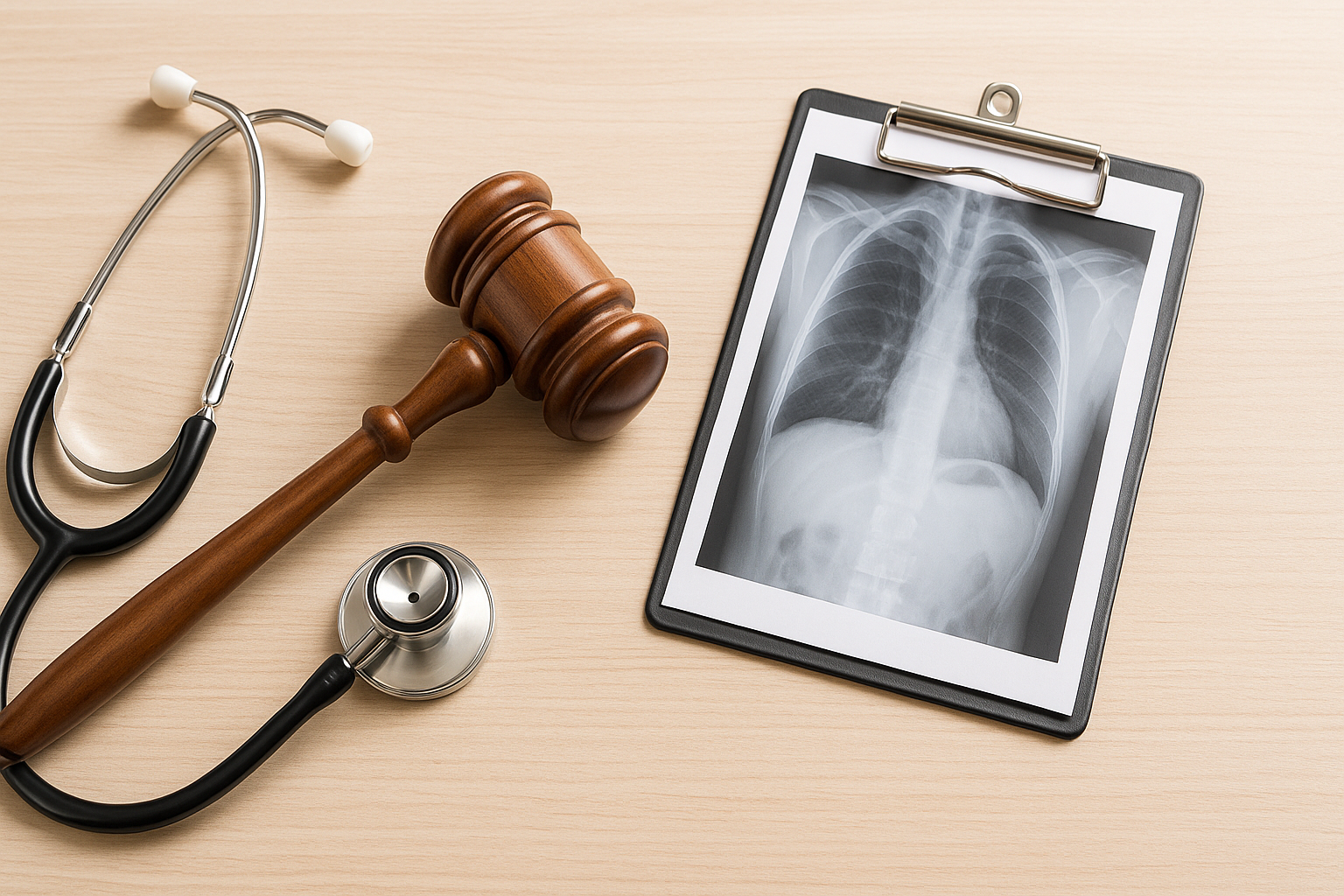


Heart injuries are not the most common workplace wounds, but when they happen in the Bay Area, they can be life altering. From cardiac arrest to traumatic chest impact, these emergencies require immediate care and long-term support. This guide explains what workers need to know about heart injuries after workplace accidents in the Bay Area and how employer liability may impact their right to compensation.
What are heart injuries from workplace accidents?
Work-related heart injuries occur when a traumatic incident or extreme job condition harms the heart. These injuries are often severe, hidden, and easily misunderstood. Employees who suffer heart trauma must understand how their accident occurred and what benefits the law provides.
Heart injuries can develop quickly or progress over time depending on the cause. Whether a sudden blow to the chest or exposure to dangerous work demands leads to cardiac damage, victims should take these symptoms seriously and seek legal guidance without delay.
Types of workplace accidents that can lead to heart injuries
Sudden chest impacts, high stress work demands, and chemical exposures can all cause heart injuries. Some injuries may be triggered by physical exertion or pre-existing conditions worsened by workplace hazards.
Common causes include:
- Heavy machinery accidents causing direct trauma to the chest
- Exposure to toxic chemicals leading to cardiac toxicity
- Extreme physical strain in high stress or fast paced environments
- Electrocution disrupting normal heart rhythm
- Blunt force from falling objects or vehicle crashes on work sites
Symptoms injured workers should watch for
Heart injuries often present subtle warning signs. Workers may be unsure whether their symptoms relate to the accident or another health issue. Any unusual physical response after a workplace incident should be treated as a potential emergency.
Watch for symptoms such as:
- Chest pain or pressure that does not go away
- Shortness of breath during minimal activity
- Irregular or rapid heartbeat
- Dizziness, fainting, or sudden fatigue
- Swelling in the legs or abdomen caused by fluid buildup
How are heart injuries diagnosed after a workplace accident?
Healthcare providers can determine whether a heart condition is tied to a specific workplace event. Early diagnostic care is essential to reduce long-term damage and strengthen a future workers compensation claim.
Doctors may use imaging, stress testing, and blood analysis to identify injury sources. Treatment depends on the extent of the damage and whether surgery or medication is needed to restore heart function safely.
Who can be held liable for workplace heart injuries in the Bay Area?
California employers have a legal duty to protect workers from foreseeable hazards. If a heart injury results from poor workplace safety, employee reporting can create accountability and open access to crucial benefits.
Liable parties may include:
- Employers who fail to enforce safety rules
- Third party contractors with dangerous equipment
- Manufacturers of faulty machinery
Victims may pursue workers compensation regardless of fault and potentially additional claims if third parties contributed to the accident.
When do workers compensation benefits apply?
Workers compensation provides medical treatment and wage replacement regardless of employer negligence. Heart injuries qualify if the workplace incident or conditions significantly contributed to the medical issue.
Employees do not have to prove fault to file a workers compensation claim. They only need to show a clear link between the accident and the injury supported by medical records and workplace reports.
How can negligence affect employer liability?
Negligence happens when an employer fails to maintain safe working conditions or ignores known hazards that could harm employees. If safety rules are not enforced or proper training is not provided, workers can suffer preventable heart injuries.
When negligence contributes to an accident, employer liability increases. Workers may be able to pursue additional compensation beyond standard workers compensation, especially if the employer’s actions show disregard for employee safety.
What injured workers should do after a suspected heart injury
Take immediate action to protect your health and legal rights. Quick decisions make a difference in both recovery and compensation outcomes.
- Get emergency medical care: Seek immediate treatment for any chest pain or cardiac symptoms and explain that it began after a workplace incident.
- Report the injury to your employer: Notify your supervisor right away so the event is documented and an official workplace injury claim can begin.
- Keep supporting records: Save medical reports, diagnostic results, incident documentation, and witness information to strengthen your case.
- Avoid physical strain: Do not resume heavy labor or stressful tasks until a doctor confirms it is safe, protecting you from further harm.
- Consult a workplace injury attorney: A lawyer can guide you through compensation options and prevent insurers from minimizing or denying your benefits.
What damages may heart injury victims recover?
Heart injury cases often require long term care, making compensation crucial for rebuilding stability. Workers should understand the types of financial support they may qualify for.
| Compensation Type | What It Covers | Who Pays |
| Medical Benefits | Hospital care, surgery, rehabilitation | Workers compensation or liable parties |
| Wage Replacement | Partial income during recovery | Workers compensation providers |
| Permanent Disability | Long term cardiac impairment | Workers compensation or legal claim damages |
Where negligence exists, victims may also receive compensation for future medical needs and emotional suffering.
What challenges affect heart injury claims?
Heart injury claims can be challenging because cardiac conditions often have multiple possible causes. Insurers may argue the problem is unrelated to the workplace or linked to a pre existing condition instead of a specific accident.
Strong medical documentation and legal guidance are essential to prove that job duties or a workplace event significantly contributed to the injury. An experienced attorney can help overcome disputes and protect the worker’s rights to compensation.
How long do employees have to file a claim in California?
California has strict deadlines for reporting and filing workers compensation claims. Employees should notify their employer as soon as symptoms begin or immediately after the workplace incident that caused the heart injury.
Waiting too long can lead to delays or claim denial. Working with a lawyer early helps ensure all required paperwork is filed correctly and that your right to compensation is fully protected.
A stronger tomorrow starts with trusted legal support
Workplace heart injuries can disrupt every part of life. With proper medical care, fair compensation, and strong representation, employees can focus on healing instead of financial stress. Knowing your rights is the first step in protecting your health and future independence.
Heart injuries are complex, so having an experienced legal team can improve the chances of obtaining full compensation. A lawyer can organize medical evidence, communicate with insurance carriers, and fight unfair claim denials.
Knapp Moss helps Bay Area workers who suffer serious heart injuries from preventable accidents. Our team understands employer liability laws and how to prove the connection between workplace hazards and cardiac trauma. We are here to help you recover with confidence and dignity.
Call Knapp Moss now to protect your rights.
Frequently Asked Questions
Yes, if the work conditions significantly contributed to the heart attack. Medical evidence must support the connection between job duties and the injury.
You can still qualify for benefits if the workplace incident worsened your condition. The law supports employees whose health declines due to work related causes.
Not for workers compensation benefits. You only need to show that the injury occurred as a result of workplace activity or hazards.
You have the right to appeal. A lawyer can identify missing elements in your claim and fight for benefits you deserve.
Complex injuries may take longer to evaluate. The timeline depends on medical treatment, insurer cooperation, and whether additional negligence claims are involved.