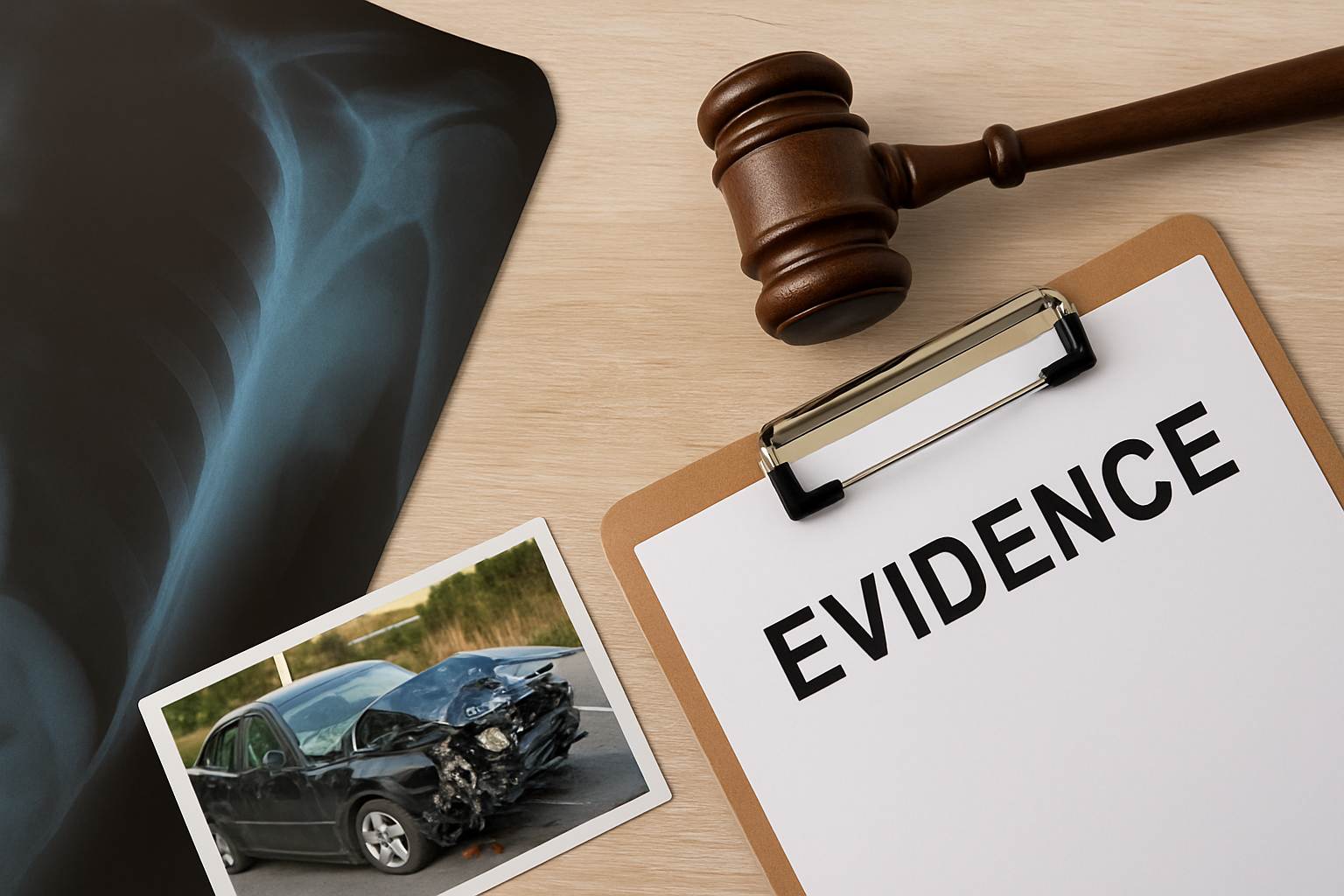



After an accident, it’s natural to feel fine at first or to think your injuries aren’t serious. However, when symptoms appear days later, many people worry: Can I still file a claim if I didn’t seek medical treatment immediately? The answer depends on several factors, including timing, documentation, and how you handle your case moving forward.
Why immediate medical treatment matters after an accident
Medical treatment right after an accident plays a key role in both your recovery and your legal rights. When you visit a doctor, the medical records they create form essential evidence that links your injuries to the incident. Without them, insurance adjusters may question the severity or cause of your condition.
Prompt care also prevents complications and shows that you took your injuries seriously, which strengthens your personal injury claim. Even if you feel fine, internal injuries, concussions, or soft-tissue damage can appear hours or days later.
What happens if you delay medical care?
Delaying treatment doesn’t automatically destroy your right to compensation, but it can complicate your case. Insurers may argue that your injuries were caused by something other than the accident or that they aren’t as serious as you claim. Defense lawyers often use medical gaps to reduce settlements.
However, if you can clearly explain why you waited, such as delayed symptoms, lack of insurance, or shock, you may still have a valid case. Courts understand that not all injuries are immediately apparent.
How long do you have to file a personal injury claim?
Every state sets a statute of limitations – a legal deadline to file a lawsuit. In California, for example, most personal injury claims must be filed within two years of the accident date. However, the time limit to report an accident to insurance companies is often much shorter.
Failing to act within those deadlines could bar your recovery. Even if you delayed treatment, the clock generally starts from the date of the accident. Acting quickly after realizing you’re injured helps preserve your rights.
Common claim deadlines by case type
Understanding the specific deadlines that apply to your case is crucial. While most personal injury claims follow a general timeline, different types of cases have unique filing periods. The table below outlines some of the most common deadlines you should know.
| Type of Claim | Typical Deadline | Important Notes |
|---|---|---|
| Personal injury (auto, slip, fall) | 2 years | Begins on accident date |
| Medical malpractice | 1 year | From discovery of injury |
| Government claim | 6 months | Must first file administrative claim |
Can you still prove your injuries without immediate records?
Yes, but you’ll need other forms of evidence to fill in the gap. Documentation and credible witnesses can help establish the timeline of your injury. The key is to show a logical, consistent story that ties your condition to the accident.
Helpful evidence may include:
- Photographs of visible injuries or property damage
- Witness statements about your physical state after the accident
- Journal entries detailing your pain, symptoms, or treatment
- Receipts for over-the-counter medication or medical supplies
- Expert testimony linking delayed symptoms to the accident
When combined with a medical evaluation, these materials help prove causation even if your first doctor visit was days or weeks later.
What if your symptoms appeared days after the accident?
Delayed symptoms are common in car crashes, falls, and other traumatic events. Adrenaline can mask pain, while soft-tissue injuries or concussions often worsen gradually.
Once you notice discomfort, dizziness, or stiffness, it’s vital to get examined immediately. A doctor can diagnose hidden injuries such as whiplash, internal bleeding, or nerve damage. The medical report will still support your case because it reflects consistent and documented symptoms.
The longer you wait, the easier it becomes for insurers to dispute the link between your injury and the accident.
How insurance companies use delays against you
Insurance adjusters are trained to look for gaps in medical care. A delay, even of a few days, can become a reason to reduce your settlement offer. They may suggest that your injuries were minor, unrelated, or made worse by something else. When you finally seek treatment, the insurer may argue that you only did so to support your claim.
A strong legal team can counter these tactics by presenting medical opinions, accident reports, and supporting evidence that clearly tie the injury to the event.
Learn More: What Insurance Companies Don’t Want You to Know
What to do if you haven’t yet seen a doctor
If you haven’t sought medical attention yet, do so immediately. A medical evaluation not only protects your health but also documents your condition. Be honest with your doctor about when the accident happened and when symptoms began. Request copies of all reports and test results. Keep every receipt, prescription, and referral. These documents are essential to support your claim and ensure fair compensation.
Steps to take now:
- Schedule an appointment with a licensed physician
- Follow all recommended treatments or therapy
- Keep a daily log of pain, sleep, or work limitations
- Avoid discussing your injuries on social media
- Contact a personal injury lawyer as soon as possible
Each action you take now strengthens your case and demonstrates responsibility.
Can a lawyer help even after delayed treatment?
Absolutely. A personal injury attorney understands how to handle cases involving delayed medical care. They can gather evidence to explain why treatment wasn’t immediate, such as shock, lack of symptoms, or financial hardship. Lawyers also coordinate with medical experts to show that your injuries align with the timing of the accident.
This professional support often makes the difference between a denied claim and a fair settlement. Your attorney can also negotiate directly with insurers to prevent lowball offers or claims denials.
How doctors and lawyers work together in injury cases
Medical professionals provide the factual basis of your injury – diagnosis, treatment, and prognosis – while lawyers use that information to build your legal argument. Together, they create a timeline that connects the accident to your condition.
A well-documented case usually includes hospital intake records, physical therapy notes, and imaging results. These details can show consistent symptoms over time, strengthening your credibility and proving the value of your claim.
Doctor vs. lawyer roles
While both doctors and lawyers play different roles after an accident, their collaboration is what strengthens your claim. The table below highlights how their responsibilities complement one another throughout your recovery and legal process.
| Role | Focus | Outcome |
|---|---|---|
| Doctor | Diagnosis and treatment | Medical recovery |
| Lawyer | Evidence and negotiation | Financial compensation |
| Both | Documentation and strategy | Stronger overall claim |
How long can you wait before it’s too late?
While there’s no exact rule for how long you can wait before your claim becomes weak, shorter gaps between the accident and medical care are always better.
Courts and insurers favor prompt reporting because it shows diligence. Waiting several weeks may still be acceptable if you can show continuous symptoms and credible reasons for delay.
However, waiting months without any documentation can significantly harm your case. Acting as soon as possible is the safest route to protect your rights and health.
The role of consistency in your claim
Consistency is one of the most important elements in personal injury cases. Every record, from your first medical visit to your last physical therapy note, should tell the same story.
If you told your doctor that your neck pain started two days after a collision, that should match your insurance statement.
Any inconsistencies give insurers an excuse to question your credibility. Keeping detailed notes and communicating clearly with your lawyer prevents these mistakes.
How Knapp Moss can support your delayed-treatment claim
Even if you didn’t seek medical treatment immediately, you may still have a valid personal injury claim. The key is to act now, document everything, and seek legal guidance. Delays are common, but they don’t have to define your case. With the right evidence and representation, you can still recover full and fair compensation for your injuries.
At Knapp Moss, we understand that not every victim seeks treatment right away. Our legal team investigates your accident, reviews your medical history, and works with trusted experts to prove that your injuries are real and accident-related. We build strong, evidence-based cases that stand up to insurance scrutiny and maximize your recovery.
Whether you waited days or weeks to see a doctor, our lawyers know how to overcome those challenges and secure the compensation you deserve.
Contact Knapp Moss today for a free consultation.
Frequently Asked Questions
Yes. As long as you can show that your symptoms appeared soon after the accident and are consistent with your injury, your claim remains valid.
They might try, but strong medical evidence and a lawyer’s support can help prove the injury was caused by the accident.
Yes. A lawyer can help you explain the delay, gather evidence, and ensure insurers don’t use it to reduce your settlement.