

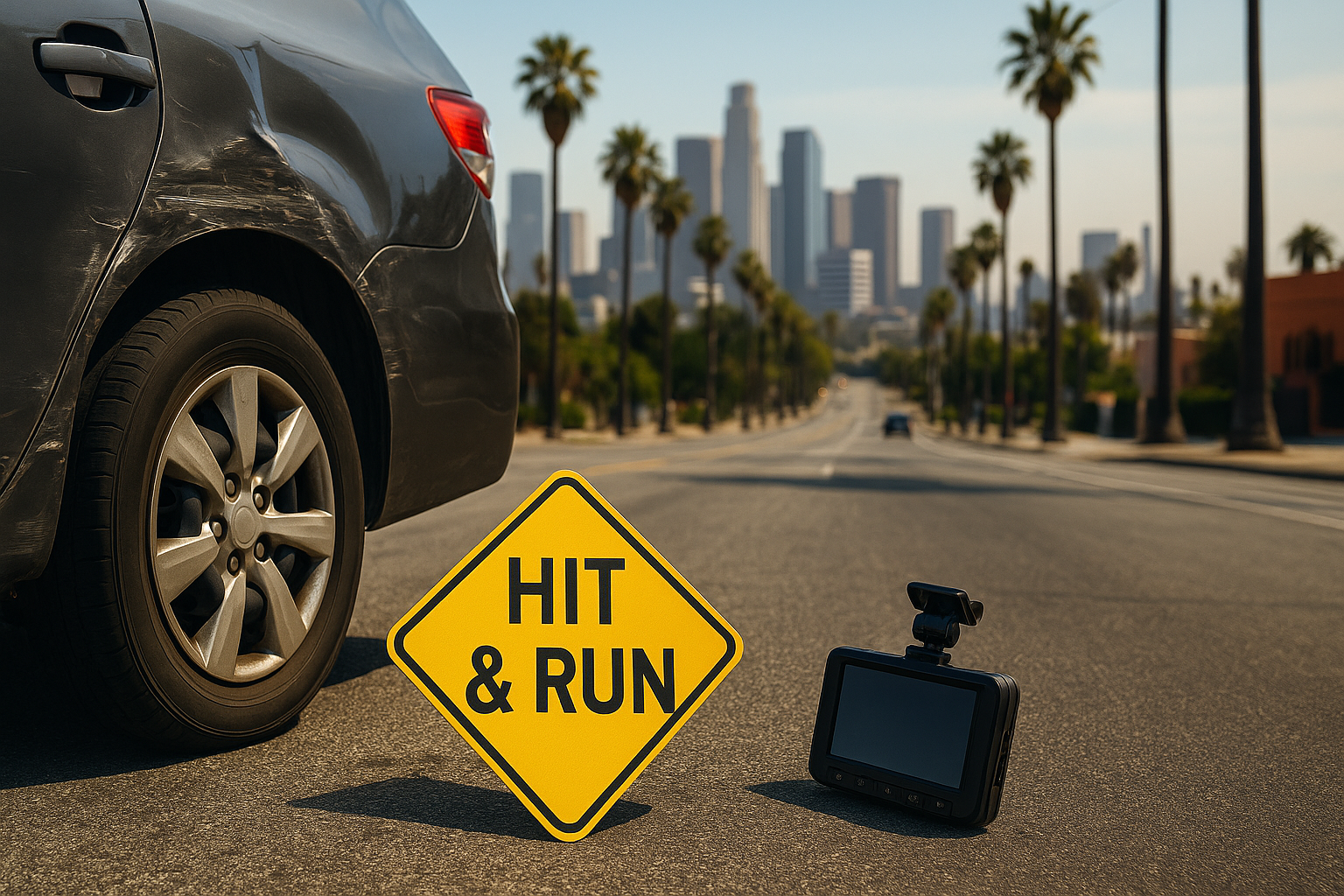
A hit-and-run accident can be one of the most frustrating and stressful types of car crashes to deal with. In California, where traffic is dense and accidents are frequent, it’s crucial to understand your rights and what steps to take if you’re a victim. Knowing how to handle a hit-and-run accident in California can make the difference between securing compensation and being left with unexpected expenses.
What qualifies as a hit-and-run in California?
A hit-and-run happens when a driver involved in an accident leaves the scene without providing contact or insurance information. This includes both property damage and injury accidents. Even minor collisions, like scraping another car in a parking lot, count as hit-and-runs if the responsible party doesn’t leave proper notice.
Under California Vehicle Code §20002, it’s illegal to flee the scene of an accident involving property damage. If injuries or fatalities are involved, the offense becomes a felony under §20001, carrying severe penalties such as fines, license suspension, or jail time.
What should you do immediately after a hit-and-run?
Taking the right actions immediately after the crash is key to preserving evidence and protecting your legal rights.
- Ensure safety first: Move to a safe location away from traffic and check for injuries. If anyone is hurt, call 911 right away.
- Contact the police: Report the hit-and-run as soon as possible. An official police report will be essential for insurance claims and legal action.
- Gather information: Even if the other driver fled, take note of everything you can remember, such as:
- The make, model, and color of the vehicle
- The license plate number (even partial)
- The direction the driver fled
- The time and location of the incident
- Any witness contact details
- Take photos: Capture pictures of your vehicle damage, the accident scene, debris, and any relevant road signs or skid marks.
- Seek medical attention: Even if you feel fine, some injuries appear hours or days later. Medical documentation also supports your claim later on.
What happens if the driver is never found?
Unfortunately, many hit-and-run drivers are never identified. In such cases, your best option is often your own auto insurance coverage.
California requires insurance companies to offer Uninsured Motorist (UM) coverage, which can step in to help when the at-fault driver is unidentified. This coverage may pay for:
- Medical bills
- Lost wages
- Pain and suffering
- Property damage (if you have UM property damage coverage)
If you didn’t purchase UM coverage, you may still have options through collision coverage or MedPay for medical expenses, depending on your policy.
How does uninsured motorist coverage work in a hit-and-run?
Here’s a quick comparison of how different coverages work when the hit-and-run driver is missing:
| Coverage Type | What It Covers | When It Applies |
|---|---|---|
| Uninsured Motorist Bodily Injury (UMBI) | Medical expenses, pain and suffering, lost wages | When the driver can’t be identified or has no insurance |
| Uninsured Motorist Property Damage (UMPD) | Repairs to your vehicle | When the hit-and-run is verified by a police report |
| Collision Coverage | Vehicle repairs regardless of fault | Subject to deductible; can apply even without identifying the driver |
If you file a UM claim, your insurance company essentially steps into the role of the at-fault driver’s insurer. However, you’ll still need to prove that another driver caused the crash, so evidence is critical.
What evidence can help your case?
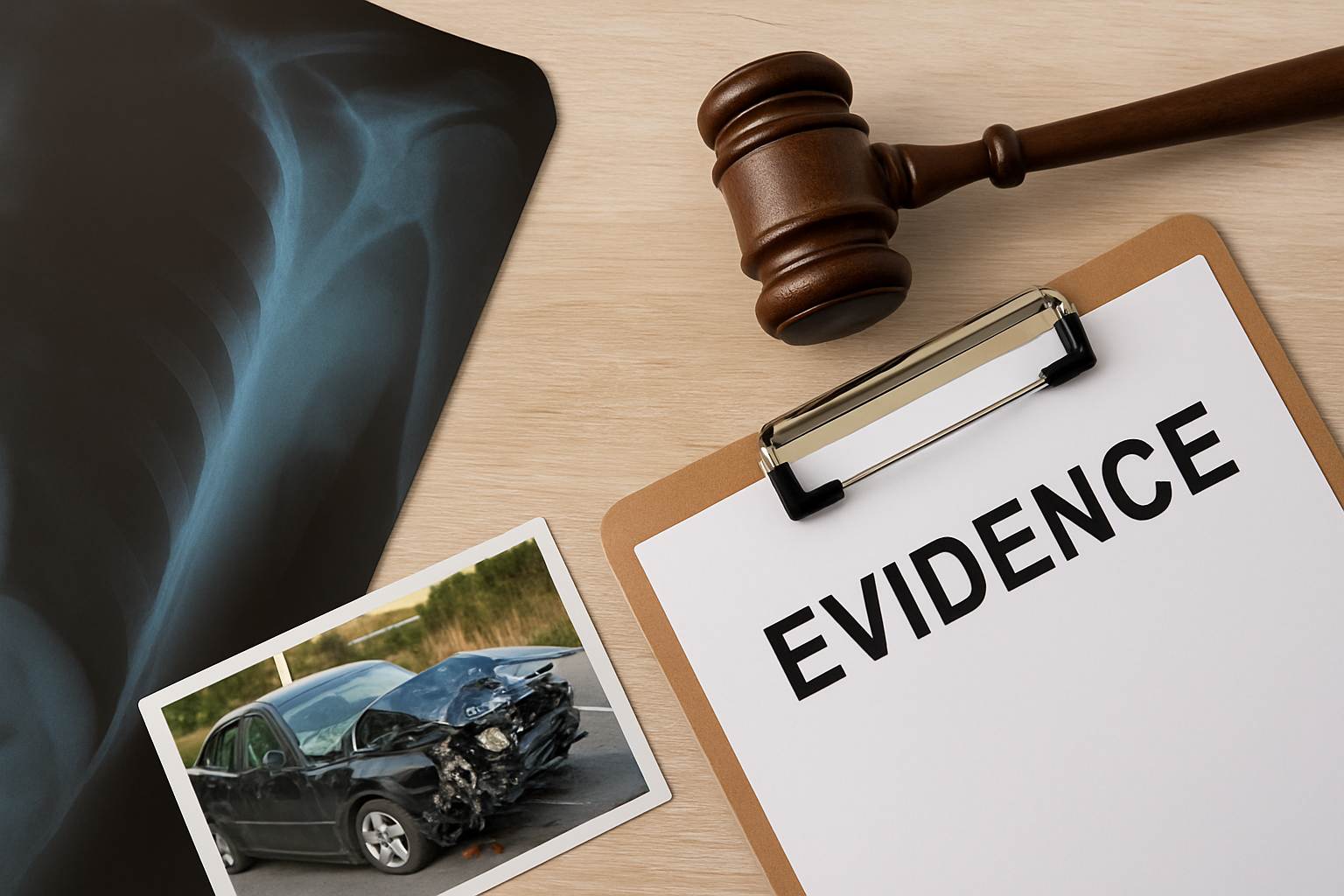
In a hit-and-run claim, your ability to recover damages depends heavily on documentation. Key evidence includes:
- Police report details and witness statements
- Photos and videos from the scene
- Surveillance footage from nearby homes or businesses
- Dashcam recordings, if available
- Medical records linking injuries to the accident
Having this evidence ready strengthens both insurance claims and potential lawsuits if the driver is later identified.
Can you still file a lawsuit after a hit-and-run?
Yes. If law enforcement eventually identifies the fleeing driver, you may file a personal injury lawsuit for damages. In California, victims have two years from the date of the crash to file an injury claim and three years for property damage.
If the driver is caught, you may seek compensation for:
- Medical treatment costs
- Vehicle repairs or replacement
- Lost income and reduced earning capacity
- Pain, suffering, and emotional distress
- Punitive damages (if the driver’s conduct was especially reckless)
What are the penalties for hit-and-run drivers in California?
Penalties depend on whether the crash caused property damage, injuries, or death:
| Type of Hit-and-Run | Charge | Possible Penalties |
|---|---|---|
| Property damage only | Misdemeanor | Up to 6 months in jail, $1,000 fine |
| Injury or death | Felony | Up to 4 years in prison, $10,000 fine |
Beyond legal penalties, offenders may also face increased insurance rates, driver’s license suspension, and civil lawsuits from victims.
How can a lawyer help after a hit-and-run?
An experienced personal injury lawyer can guide you through the complex process of dealing with insurance companies and pursuing compensation. Attorneys can:
- Investigate the scene and collect crucial evidence
- Communicate with insurers and handle negotiations
- Identify potential third-party liability (such as vehicle owners or employers)
- File civil claims if the driver is located
- Ensure you receive fair compensation under California law
Working with a skilled legal team like Knapp Moss helps protect your rights and reduce the stress of handling paperwork and insurance disputes.
What mistakes should you avoid after a hit-and-run?
Victims often make simple errors that can hurt their case. Avoid these common pitfalls:
- Delaying police reports or medical evaluation
- Posting accident details on social media
- Accepting early settlement offers from insurers
- Failing to document the damage or injuries thoroughly
- Ignoring deadlines for insurance or court filings
Prompt action and proper documentation are essential to preserve your right to compensation.
When should you contact an attorney?
You should reach out to a personal injury lawyer as soon as possible after the accident—ideally within days. The sooner your attorney can begin investigating, the better chance you have of identifying the driver and collecting strong evidence.
Attorneys also ensure all insurance claims and legal deadlines are met, preventing costly delays or denials.
Getting justice after a hit-and-run
A hit-and-run can leave victims feeling helpless, but you’re not alone. California law provides several avenues for compensation, whether or not the fleeing driver is found. The key is quick action, careful documentation, and legal guidance.
At Knapp Moss, our team has extensive experience helping accident victims rebuild after a hit-and-run. We’ll fight to recover every dollar you’re owed and handle the legal process from start to finish.
Contact Knapp Moss today to schedule a free consultation.
Frequently Asked Questions
You can use collision or comprehensive coverage for vehicle repairs, but you may have limited recovery for injuries without uninsured motorist coverage.
It varies. Some cases are solved within days if there’s camera footage or witnesses, while others remain open for months or years.
No. Let your attorney handle communication to avoid saying anything that could reduce your claim’s value. Learn more about giving a statement to the other driver’s insurance.