Home » Injury Type » Arm Injuries: Types, Causes, and Legal Options » Elbow Fractures: Types, Causes, and Legal Options
Understanding and Overcoming Elbow Fractures
An elbow fracture can limit mobility, cause sharp or dull pain, and affect daily tasks. With prompt diagnosis and targeted treatment, many people regain strength, motion, and function.
Comprehensive Guide to Elbow Fractures
Elbow fractures involve breaks in the distal humerus, olecranon, or radial head. They often follow falls, crashes, or direct blows. Early care reduces stiffness and improves healing. Legal guidance can safeguard access to medical care and compensation.

Mild to Severe Elbow Fractures
Injuries range from hairline cracks to displaced or open fractures. Severity drives treatment, from slings and therapy to surgery with plates, screws, or wires.

Common Symptoms of Elbow Fractures
Pain, swelling, bruising, reduced range of motion, locking or catching, tingling in fingers, and visible deformity can signal a fracture.

Post-Injury Complications
Risks include nerve irritation, joint stiffness, malunion, nonunion, and post-traumatic arthritis. Consistent follow-up limits long-term problems.
Common Types of Elbow Fractures
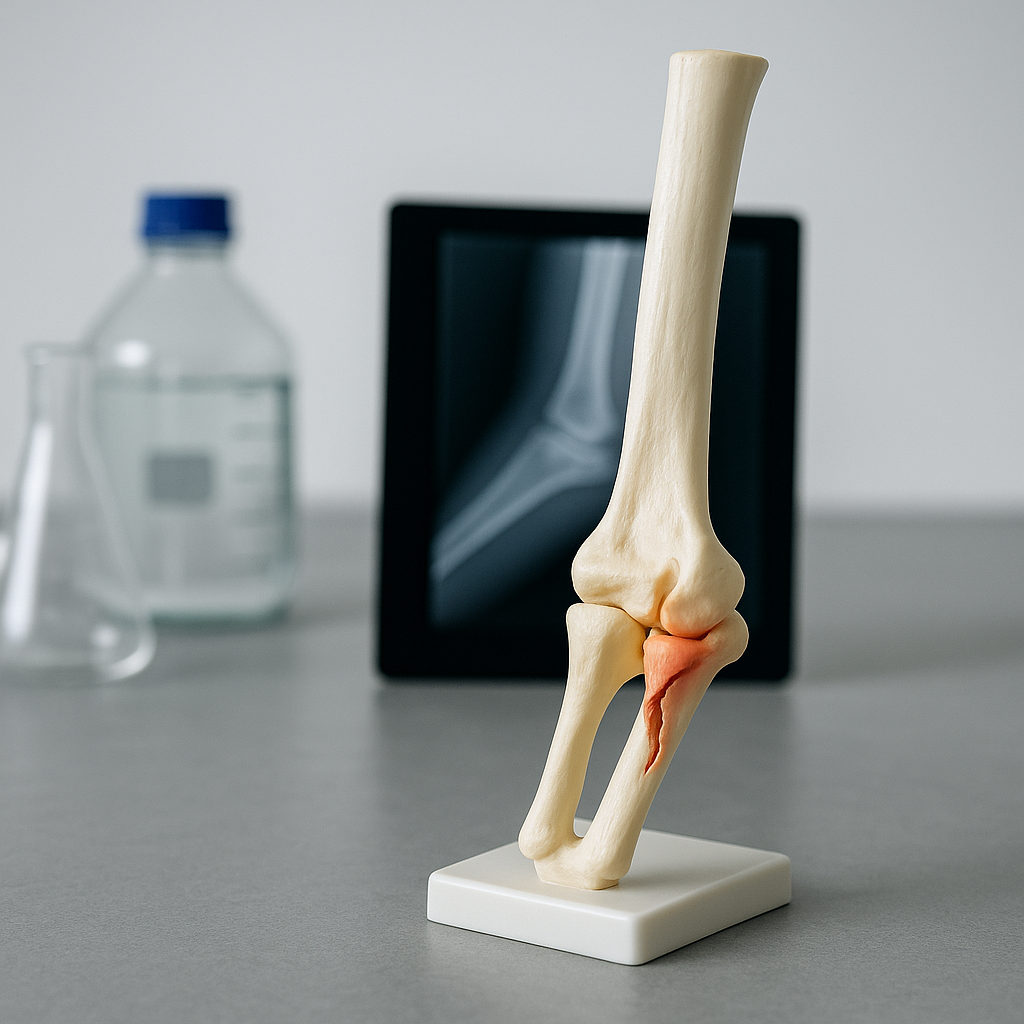
Not all elbow fractures are the same. Location, displacement, and whether the joint is involved help doctors choose the right treatment and inform case value.
Radial Head Fracture (Forearm Near Elbow)
Often caused by a fall on an outstretched hand. Pain with rotation and limited motion are typical. Many heal without surgery, but some need fixation.
Learn More
Olecranon Fracture (Tip of Elbow)
A direct blow can split the bony tip. Because the triceps attaches here, displaced breaks often require surgery for stability and motion.
Learn More
Distal Humerus Fracture (Upper Arm)
Involves the elbow joint surface. These injuries can be complex and may need plates and screws to restore alignment and function.
Learn More
Complex or Combined Injuries
Dislocations with fractures, Monteggia-type patterns, and ligament tears increase stiffness risks and require careful rehab and follow-up.
Learn More
Causes of Elbow Fractures
Elbow fractures arise from everyday incidents, high-energy impacts, or negligent conditions. Careful investigation helps link cause to injury and recovery needs.
Car Accidents
Airbag impacts, door strikes, and bracing during crashes can fracture the elbow and damage nearby nerves.
Workplace Accidents
Falls from ladders, tool strikes, or machinery hazards can break the elbow and disrupt work and income.
Slip and Fall Accidents
Wet floors, poor lighting, and uneven surfaces lead to falls on an outstretched hand that transmit force to the elbow.
Sports Injuries
Contact sports, cycling crashes, and skate falls create sudden torsion or direct blows that fracture the joint.
Medical Malpractice
Missed diagnoses, delayed imaging, or poor casting can worsen alignment and long-term elbow motion.
Assaults and Violence
Defensive arm raises or direct strikes may fracture the olecranon or radial head and cause lasting stiffness.
Do not ignore early pain or stiffness. Timely evaluation for a suspected elbow fracture builds a treatment plan and preserves your claim.
Role of an Elbow Fracture Injury Lawyer
A lawyer focused on orthopedic injuries coordinates care, protects your claim, and pursues full compensation for treatment, therapy, and lost time.
Case Evaluation
The attorney reviews medical records, imaging, and reports to understand injury severity, treatment costs, and the full value of your claim.
- Review medical records
- Collect accident reports
- Obtain expert testimony
Proving Negligence
Your lawyer gathers photos, witness accounts, and expert opinions to prove another party’s fault and strengthen your elbow fracture case.
- Identify responsible party
- Demonstrate breach of duty
- Prove causation of injury
Calculating Damages
They calculate fair compensation by adding medical bills, therapy expenses, lost income, and the lasting pain from your injury.
- Calculate medical costs
- Estimate future earnings loss
- Include pain and suffering
The Role of Legal Support
Knapp Moss lawyers advocate for clients dealing with complex elbow fracture cases, ensuring they receive the care and justice they deserve.
Legal Considerations in Elbow Fracture Cases
Strong claims need evidence, deadlines met, and thorough damage proof. Early legal help keeps the case moving and protects your rights.
Statute of Limitations
Deadlines limit how long you have to file a claim. Acting quickly helps preserve evidence and ensures your right to compensation.
- State-specific deadlines
- Filing requirements
- Time limitations
Lost Wages
Your lawyer documents missed workdays, reduced hours, and long-term earning impacts to recover income lost from your elbow injury.
- Accident reports
- Witness statements
- Medical documentation
Pain and Suffering
Compensation covers physical pain, stiffness, and emotional distress caused by your fracture and its lasting effects on daily life.
- Medical history impact
- Documentation needs
- Claim evaluation
Frequently Asked Questions
Find answers to common questions about
elbow fracture cases and our legal services.
- Still have questions? Contact our support team
How can a lawyer help with my elbow fracture claim?
Your lawyer documents the injury, coordinates experts, calculates damages, and negotiates with insurers. If needed, they file suit and present evidence for fair compensation.
What costs can I recover after an elbow fracture?
Recoverable damages may include medical bills, therapy, prescriptions, lost wages, reduced earning capacity, and pain and suffering tied to mobility limits and daily impacts.
When should I contact Knapp Moss after my injury?
Reach out as soon as you receive medical care. Early involvement helps protect deadlines, gather evidence, and align treatment records with the claim.
Why choose Knapp Moss for an elbow fracture case?
We understand orthopedic injuries, partner with respected medical experts, and build clear, evidence-based cases aimed at restoring health, income, and quality of life.