
Home » Injury Type » Leg Injuries: Types, Causes, and Legal Options » Hip Fractures: Types, Causes, and Legal Options
Understanding and Overcoming Hip Fractures
A hip fracture can limit mobility, cause long-term pain, and threaten independence. With early diagnosis, steady rehab, and a focused legal plan, victims can recover stability and protect their rights.
Comprehensive Guide to Hip Fractures
Hip fractures range from hairline cracks to displaced breaks. The location and severity influence treatment, recovery timelines, and compensation options.

Mild to Severe Hip Fractures
From stress fractures to complex breaks requiring fixation or a partial replacement, severity drives care plans and case value.

Common Symptoms of Hip Fractures
Severe groin or outer-hip pain, trouble bearing weight, a shorter or outward-turned leg, swelling, and limited range of motion.

Post-Injury Complications
Risks include blood clots, avascular necrosis, infection, and mobility loss without fast treatment and safe rehabilitation.
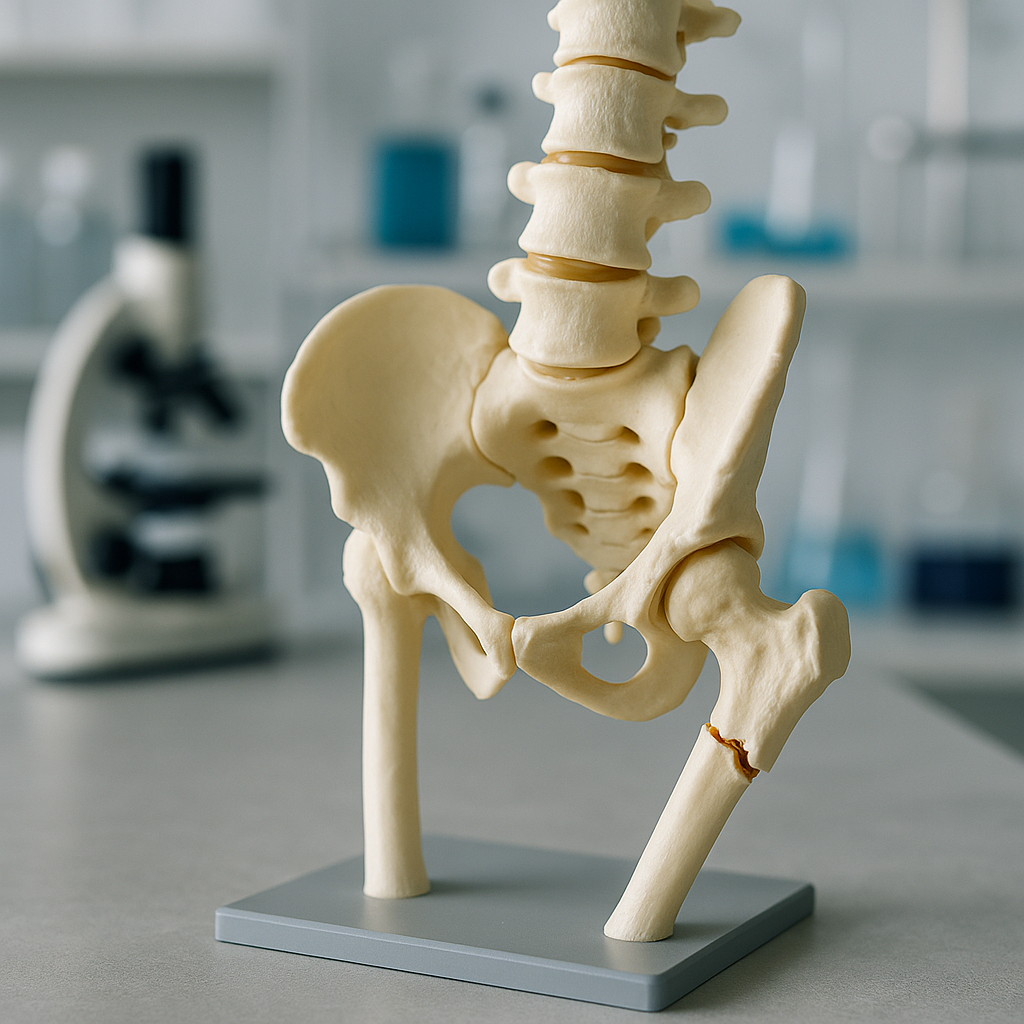
Common Types of Hip Fractures
Doctors classify fractures by where the bone breaks around the hip joint. Knowing the type helps guide surgery, recovery, and your claim.
Femoral Neck Fracture (Inside the Joint)
A break just below the ball of the hip. Often disrupts blood flow and may require screws or a partial hip replacement.
Learn More
Intertrochanteric Fracture (Between Bumps)
Occurs along the upper thigh bone outside the joint capsule. Usually treated with a plate and sliding hip screw or a nail.
Learn More
Subtrochanteric Fracture (Below the Bumps)
A high-energy break below the lesser trochanter. Stabilized with an intramedullary nail to restore alignment and strength.
Learn More
Acetabular Fracture (Hip Socket)
Damage to the socket where the femur sits. May follow crashes or falls and can lead to arthritis if not repaired well.
Learn More
Causes of Hip Fractures
Hip fractures often stem from sudden impacts, unsafe property conditions, or negligence in high-risk environments.
Car Accidents
Seat belt forces and side impacts can twist the pelvis and crack the femur near the hip, especially in high-speed collisions.
Workplace Accidents
Falls from ladders, struck-by events, or heavy loads can fracture the hip on construction sites, warehouses, or delivery routes.
Slip and Fall Accidents
Wet floors, poor lighting, or broken stairs cause sideways falls that drive the femur into the socket and fracture the hip.
Sports Injuries
High-impact landings and contact sports can stress the proximal femur, producing acute breaks or cumulative stress fractures.
Medical Malpractice
Missed diagnoses, delayed imaging, or poor surgical technique can worsen a fracture or cause avoidable complications.
Assaults and Violence
Blunt trauma from kicks or strikes can fracture the hip and leave lasting pain, gait problems, and medical costs.
Understanding the cause of your hip fracture is crucial for determining liability and securing proper compensation.
Role of a Hip Fracture Injury Lawyer
An experienced injury lawyer coordinates treatment, proves fault, and pursues compensation to fund recovery and future care.
Case
Evaluation
We review medical findings, imaging, and liability facts to measure damages and outline a clear path forward.
- Review medical records
- Collect accident reports
- Obtain expert testimony
Proving Negligence
We collect evidence that shows duty, breach, causation, and damages for a persuasive claim or lawsuit.
- Identify responsible party
- Demonstrate breach of duty
- Prove causation of injury
Calculating Damages
We quantify medical costs, wage losses, and quality-of-life harms to support a fair settlement or verdict.
- Calculate medical costs
- Estimate future earnings loss
- Include pain and suffering
The Role of Legal Support
Knapp Moss lawyers advocate for clients dealing with severe hip fracture cases, ensuring they receive the care and justice they deserve.
Legal Considerations in Hip Fracture Cases
Strong hip fracture claims rely on early evidence, careful documentation, and strict attention to filing deadlines.
Statute of Limitations
Deadlines are short. Missing them can bar recovery. Act quickly to preserve your rights.
- State-specific deadlines
- Filing requirements
- Time limitations
Lost Wages
A fracture can sideline work for months. We document every loss and project future impacts.
- Accident reports
- Witness statements
- Medical documentation
Pain and Suffering
Daily pain, sleep loss, and lost independence deserve compensation supported by proof.
- Medical history impact
- Documentation needs
- Claim evaluation
Frequently Asked Questions
Find answers to common questions about
hip fracture cases and our legal services.
- Still have questions? Contact our support team
How are hip fractures treated?
Doctors may use screws, plates, or a partial replacement. Early surgery improves mobility and reduces risks like clots or infection.
How can Knapp Moss help right away?
We secure records, advise on treatment coordination, and preserve evidence before it disappears, setting your claim up for success.
Will you deal with insurance for me?
Yes. We handle adjusters and defense lawyers, push for fair offers, and prepare litigation if insurers delay or undervalue your case.
How do fees work at Knapp Moss?
We work on contingency. You pay no attorney’s fees unless we recover compensation for you. Initial consultations are free.