

Ridesharing has become part of daily life, but accidents involving Uber and Lyft raise complicated questions about liability. If you are injured in a rideshare accident, determining responsibility is not always straightforward. This blog explores who may be held accountable, what insurance applies, and how to protect your rights.
Understanding rideshare accident liability
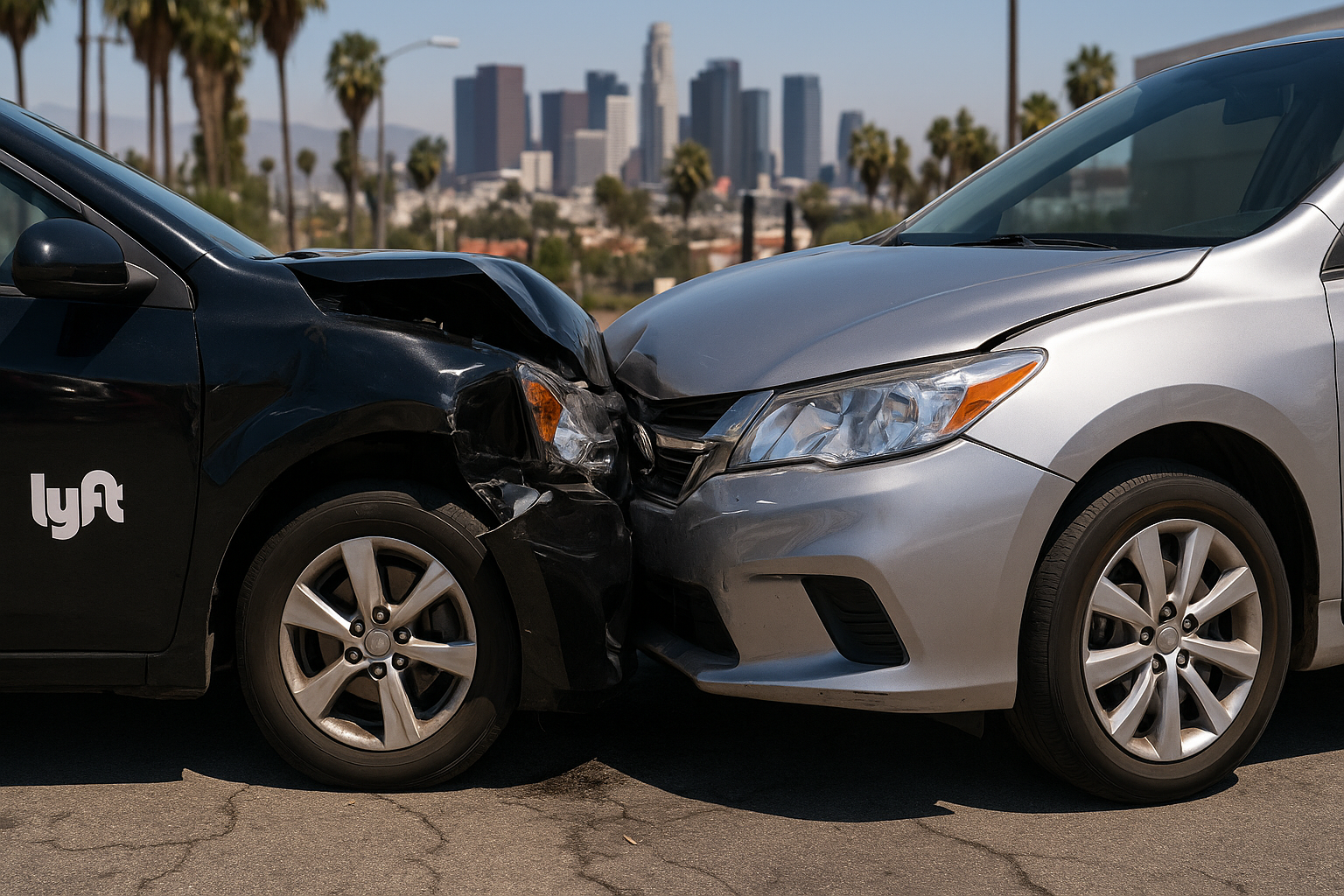
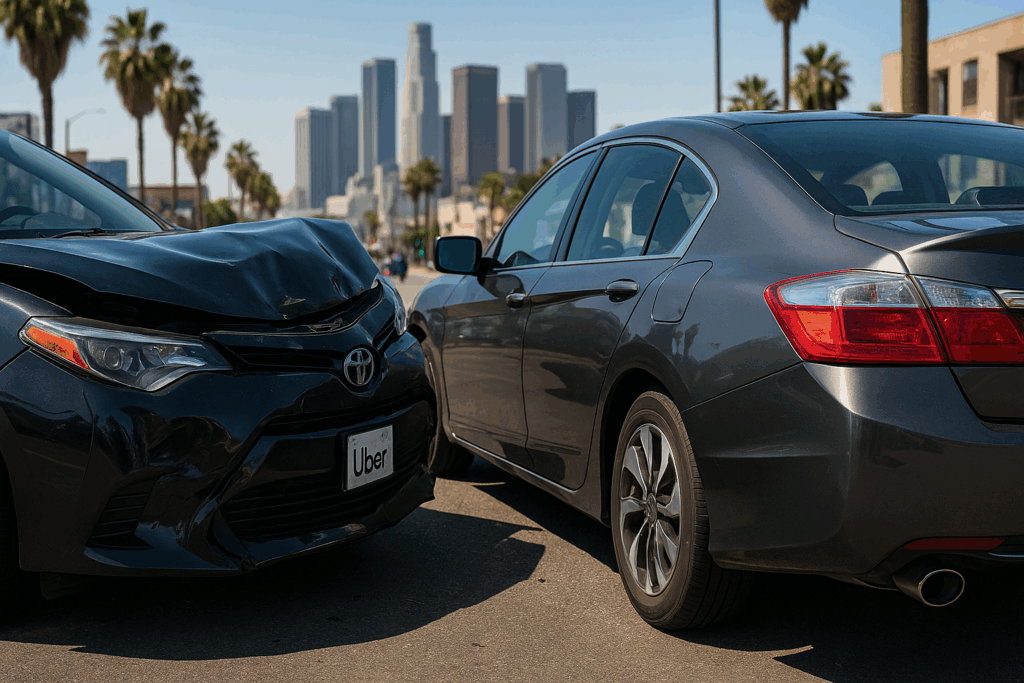
Unlike traditional car accidents, rideshare collisions involve multiple parties. Responsibility could fall on the rideshare driver, another motorist, or the rideshare company itself. Liability often depends on whether the driver was logged into the app, transporting a passenger, or driving off duty.
Because Uber and Lyft classify their drivers as independent contractors, they often attempt to distance themselves from liability. However, rideshare companies are still required to provide insurance coverage when drivers are working, making it crucial to understand what policies apply.
When the rideshare driver is at fault
If the Uber or Lyft driver caused the crash, they may be personally liable. Their personal auto insurance may apply, but only if the driver was not actively using the rideshare app. In those cases, you may need to pursue a claim against the driver directly.
When the driver is logged in and waiting for a ride request, Uber and Lyft provide limited liability coverage. This coverage usually includes up to $50,000 per person for injuries and $100,000 per accident, but it may not fully cover serious medical costs.
When another driver is responsible
Not every rideshare accident is the rideshare driver’s fault. Another negligent driver may cause the crash. In that scenario, you may file a claim against the at-fault driver’s insurance just as you would in a traditional car accident.
However, problems can arise if the other driver is uninsured or underinsured. In these cases, Uber and Lyft may provide uninsured or underinsured motorist coverage, but the availability depends on the circumstances of the accident.
Insurance coverage based on driver’s status
A key factor in determining liability is the driver’s status on the rideshare app. Insurance coverage changes depending on whether the driver is offline, waiting for a request, or transporting a passenger. The table below outlines typical coverage.
| Driver’s status | Applicable coverage | Coverage limits |
|---|---|---|
| App off | Driver’s personal insurance | Varies by policy |
| App on, waiting for request | Rideshare contingent coverage | $50k per person / $100k per accident |
| Transporting passenger | Uber/Lyft $1 million liability policy | Up to $1 million |
Complications in proving liability
Proving who is responsible in a rideshare accident can be complex. Insurance companies often attempt to minimize payouts by shifting blame or arguing over driver status. Gathering evidence such as app data, driver logs, and witness statements is essential.
Because multiple insurers may be involved, the process can be overwhelming. Victims often face delays, disputes, and low settlement offers unless they have strong legal representation to advocate for them.
Types of compensation available
Victims of rideshare accidents may pursue various damages. Compensation can include:
- Medical bills and future care costs
- Lost wages and reduced earning ability
- Pain and suffering
- Property damage
In cases of severe injuries, long-term medical expenses and rehabilitation costs can be significant. Pursuing maximum compensation ensures that victims are not left financially burdened by someone else’s negligence.
Common injuries in Uber and Lyft accidents
Rideshare accidents can cause a wide range of injuries, from minor bruises to life-changing conditions. Whiplash, fractures, concussions, and spinal injuries are among the most common. These injuries often require immediate medical care and long-term treatment.
Passengers may also suffer psychological trauma, such as anxiety or post-traumatic stress, especially if the crash was severe. Documenting both physical and emotional harm strengthens your injury claim and increases the chances of fair compensation.
Steps to take after a rideshare accident
Knowing what to do after a rideshare crash protects both your health and your legal rights. Follow these steps immediately:
- Seek medical attention: Your health comes first. Call 911 if needed and get checked even if injuries seem minor, since some conditions may not appear right away.
- Report the accident: Notify the police and ensure a report is filed. Also report the crash through the Uber or Lyft app for documentation.
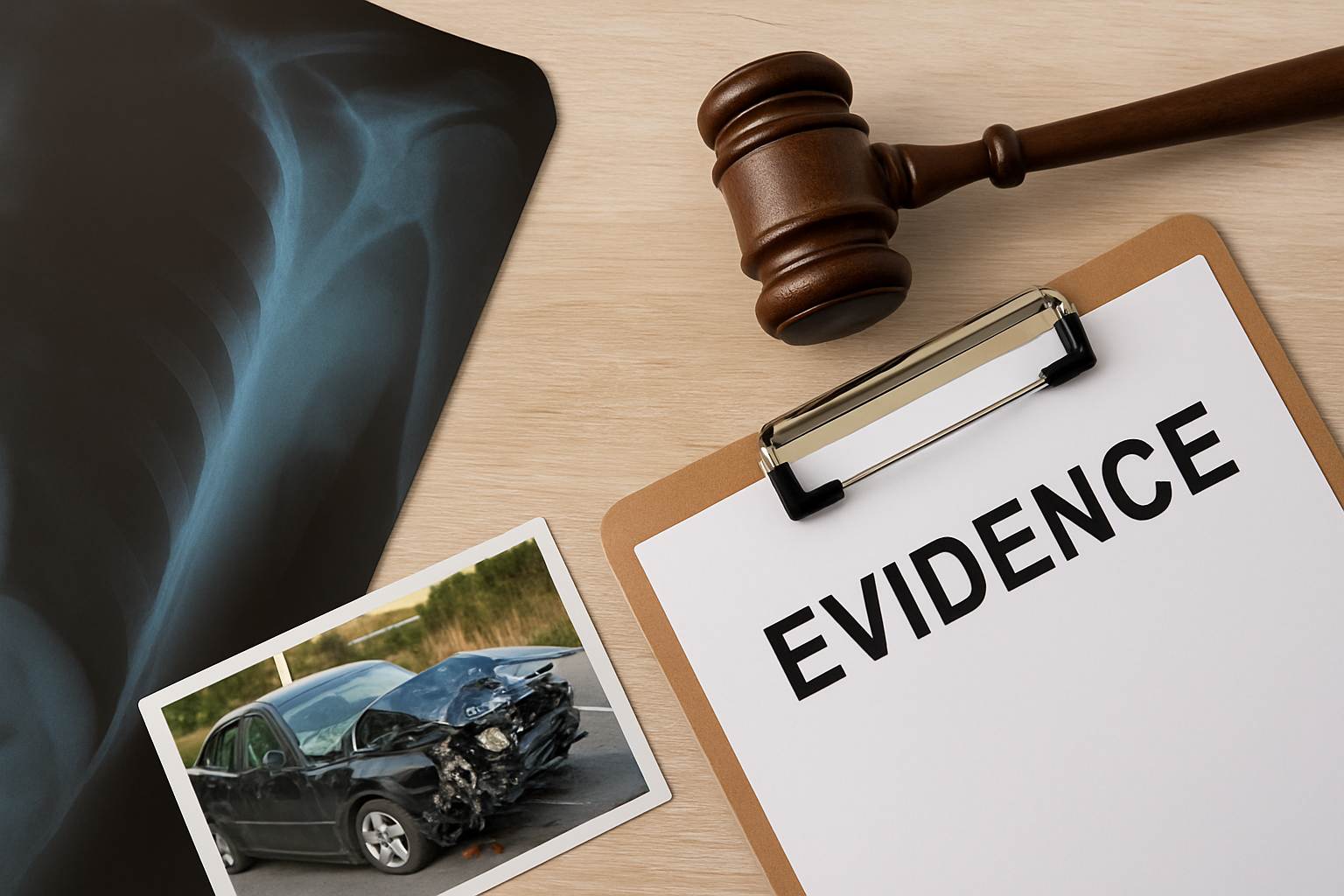
- Gather evidence: Take photos of the vehicles, accident scene, and your injuries. Collect driver and witness contact information to support your claim.
- Preserve records: Keep medical bills, receipts, and communications related to the accident. These documents strengthen your case for compensation.
- Contact an attorney: Rideshare claims can be complex. An experienced lawyer will protect your rights, handle insurers, and pursue the maximum recovery.
Failing to act quickly can weaken your case. Insurance companies often take advantage of victims who do not secure proper documentation or legal guidance early in the process.
How rideshare accident claims differ from regular car accidents
Rideshare claims are more complex because they involve corporate insurance policies, driver status disputes, and independent contractor rules. Unlike standard accidents, multiple insurers may be responsible, and coverage may shift depending on timing.
Victims must also deal with Uber and Lyft’s internal claims process, which can delay or complicate recovery. This makes rideshare accident cases more challenging than traditional auto claims.
Why having legal representation matters
Insurance adjusters are skilled at protecting company profits. They may downplay your injuries or push you into accepting a low settlement. Without legal help, you could end up with far less than you deserve.
An attorney ensures that your claim is fully investigated and that evidence is preserved. Skilled lawyers negotiate with insurance companies on your behalf and, if needed, take your case to court to secure fair compensation.
Final thoughts: Protect your rights in a rideshare accident
Uber and Lyft accidents raise complicated legal questions, but you should not have to navigate them alone. Liability depends on multiple factors, including driver status and insurance coverage, which often makes cases more challenging than standard car accidents.
At Knapp Moss, our team is dedicated to protecting rideshare accident victims. We understand how to hold both drivers and rideshare companies accountable. With our help, you can focus on recovery while we handle the legal fight.
Contact us today for a free consultation.
Frequently Asked Questions
If the driver was off the app, their personal insurance applies. If logged in or transporting passengers, Uber’s insurance may cover your injuries.
You can file a claim against the other driver’s insurance. If they lack coverage, Uber or Lyft’s uninsured motorist policy may apply.
It is rare, but possible in certain cases. Most claims are handled through their insurance rather than direct lawsuits.